Trauma sensitive yoga for survivors of trauma
Yoga That Acknowledges the Impact of Complex Trauma on The Body-Mind.

I am home, I am in my body.
GUIDING SURVIVORS TO EXPLORE THEIR BODIES ON THEIR OWN TERMS
Trauma sensitive yoga is a non-verbal, whole-body practice, helping trauma survivors build practical tools and resilience as they navigate their recovery journey.
A Blessing on My Healing Journey
"My healing journey through Somatic Yoga with Maxine Alexandra has been a huge blessing in my life. Being new to this type of yoga Maxine has guided me with tremendous support helping me to overcome emotional and physical obstacles. Maxine is a woman of inspiration. Her spectrum of experience and knowledge has given me a whole new and more mindful perspective on life. I am for ever grateful for the amount of acceptance and acknowledgement she has made me feel in all of her private session and group class. I highly recommend "trauma sensitive yoga for survivors of trauma" with Maxine."
- Linda (TSY group participant)
Person-first
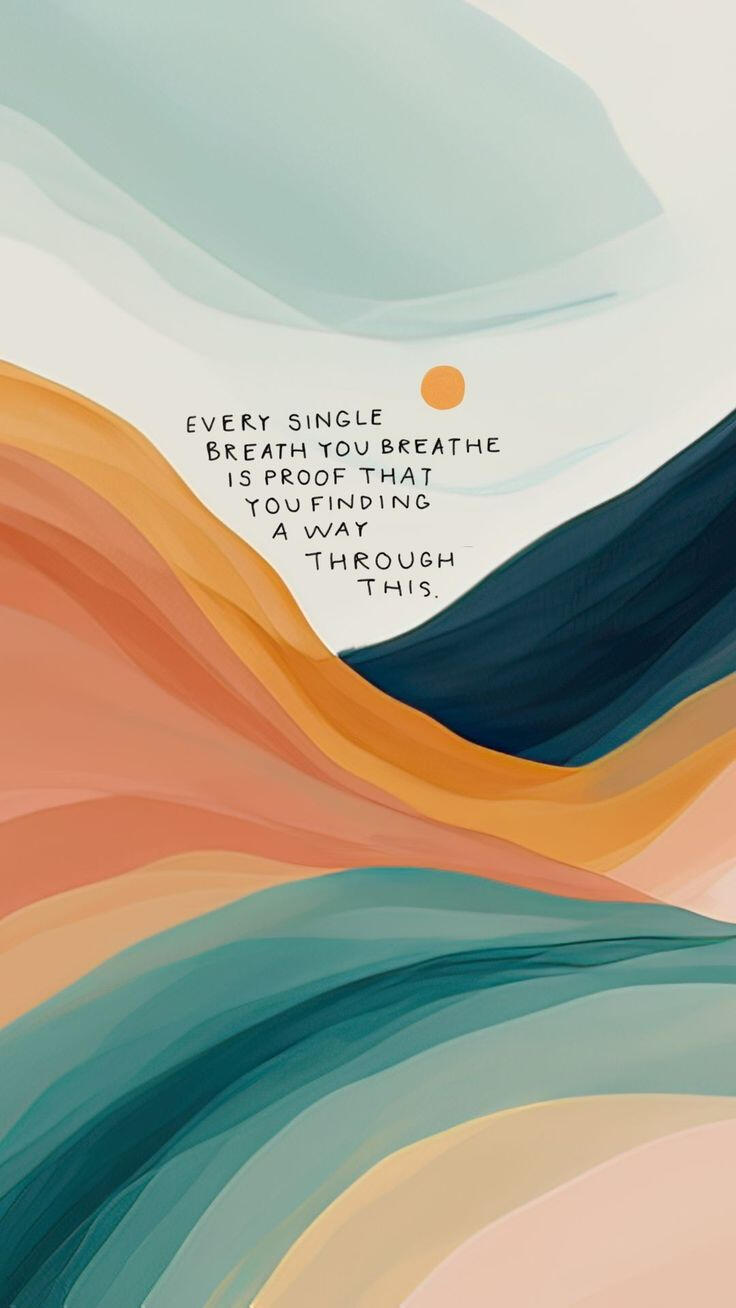
A person-first approach acknowledges the inherent humanity, dignity, and worth of each individual, transcending any singular definition by condition or identity. Prioritising the individual's perspectives, experiences, and aspirations. In trauma sensitive yoga classes, the person is viewed as an active participant in their own care, rather than a passive recipient of services.
Trauma-sensitive
The trauma sensitive yoga approach centres around acknowledging and addressing the impact of trauma on the body-mind. Being trauma-sensitive involves creating environments, interactions, and interventions that prioritise safety, trust, choice, collaboration, and empowerment for individuals who have experienced trauma.

Body literacy
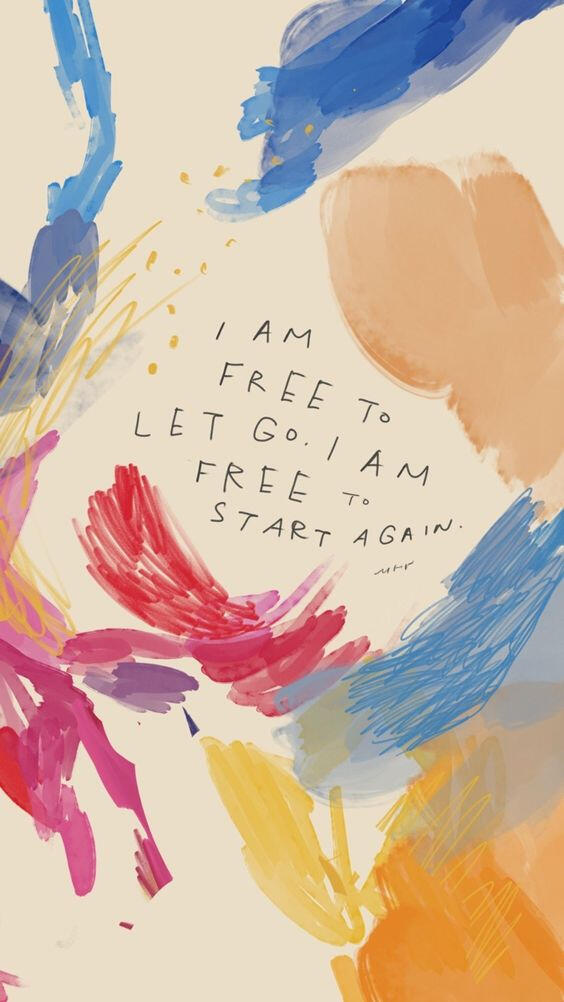
Body literacy is the slow and intentional practice of bringing awareness to different parts of the body, through the exploration of sensations, and, in turn, potentially widening our ‘window of tolerance’ to those sensations. As participants become attuned to their bodily experiences and learn to let them come and go naturally, a sense of safety and groundedness emerges, leading to a deeper connection with oneself.
"No intervention that takes power away from the survivor can possibly foster recovery."
- Judith Herman
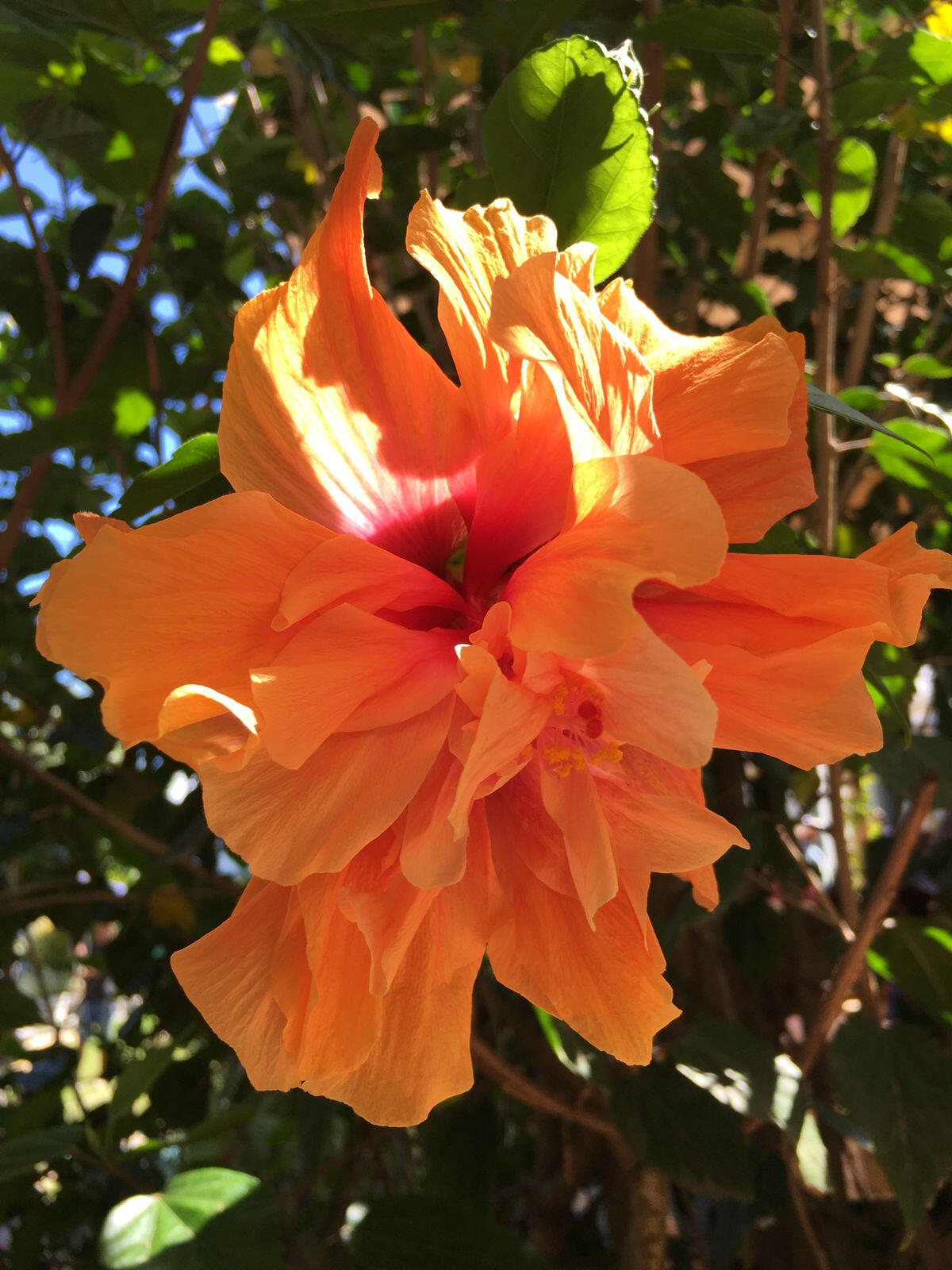

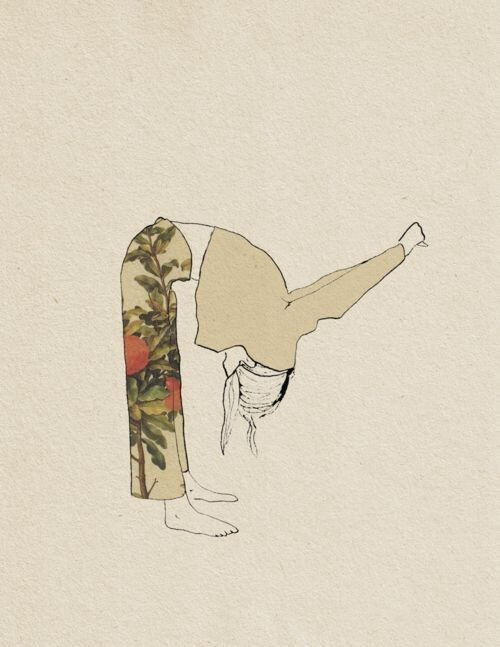
beautifully captured by @wabi.sabicollections.
Welcome to my little corner of the yoga world.
I’m Maxine, and if you’ve found your way here, you might be searching for a safe, welcoming space to reconnect with your body. As a facilitator of Trauma Sensitive Yoga, I've been supporting individuals on their trauma recovery journey since 2020, a path that's deeply personal to me as someone living with CPTSD and ADHD. I understand firsthand how daunting it can be to step into a yoga space, especially when carrying the weight of trauma - this fuels my desire and commitment to create an inclusive, safe and empowering space for you to be human.Along the way, I’ve learned that yoga isn’t about bending into a pretzel or achieving a picture-perfect pose. It’s about learning to feel safe in your own skin and rediscovering the courage to practice being present in a body that's perhaps more familiar with dissociation , numbness or overwhelm.My approach centres around acknowledging and addressing the impact of trauma on our bodies. My intention is to nurture a collaborative journey of shared decision-making with participants - recognising that you have choice and agency in having an embodied experience. Although this practice is not out-comes oriented, my aim is to support you in finding a balance between challenging yourself and honouring your boundaries, with full permission to make mistakes along the way.Whether you’re taking your first tentative step onto the mat or you’re a seasoned yogi looking for a practice that is gentler on your nervous system, I'd love to support you. If you’re ready for a yoga experience, without the pressure, just the presence - let’s do this.

The Power of Trauma Sensitive Yoga.
TSY is one of the first yoga-based approaches to be supported by research as a valuable tool for addressing complex trauma and chronic PTSD.It's grounded in years of study and is recognised for its effectiveness, comparable to traditional therapeutic methods like talk therapy.
What is Trauma Sensitive Yoga?
Trauma Sensitive Yoga (TSY) is like a gentle bridge between yoga and therapy, carefully adapted from modern postural yoga to meet the unique needs of those who've experienced trauma. Rooted in ancient yogic practices, TSY uses the knowledge and latest findings from trauma theory, neuroscience, attachment theory, as well as Polyvagal theory and Somatic Experiencing.This isn't a typical yoga class—it's a slow and gentle practice specifically designed to help people who experience chronic dysregulation reconnect with their body in a safe, supportive way. We pay close attention to sensations (interoception), how we relate to the space around us (proprioception), and exploring personal boundaries. Over time, this practice helps build trust, a sense of safety, and empowering us with choice, as we work from gross movement to more subtle - gradually. We keep meditation, subtle breathwork, and long periods of stillness to a minimum as this can be overwhelming or intolerable for some survivors. We introduce these elements in small, manageable doses, and sometimes, we skip them altogether.Trauma sensitive yoga is adaptive, and works to meet the individualised needs of each person. TSY is an adjunct therapeutic treatment to traditional psychotherapy counselling. It is not intended to be a substitute for psychotherapy. It is instead offered as an additional support and evidenced based practice to help participants cope with the effects of complex trauma.
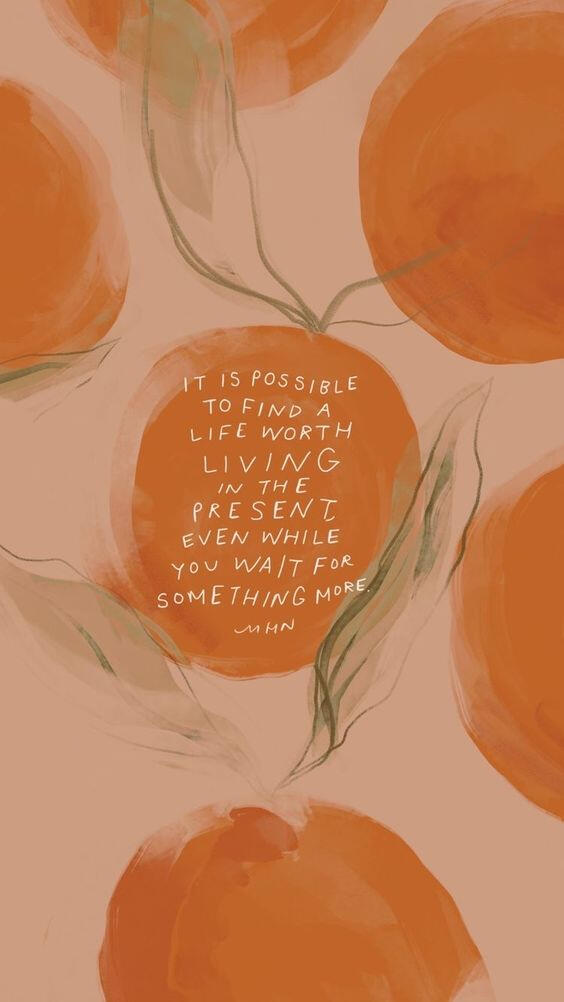
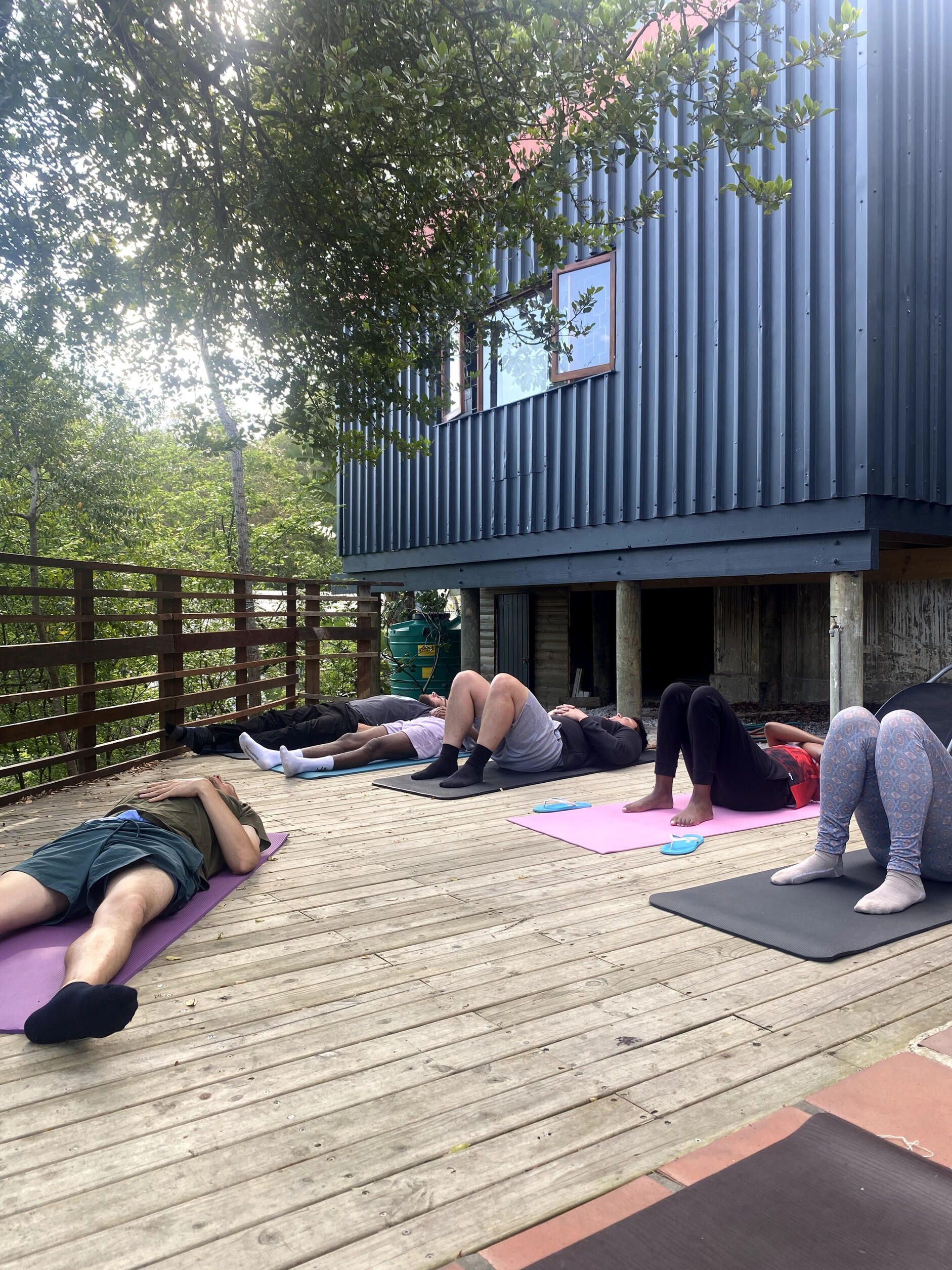
Collective rest in a safe, supported space.
Our TSY group class, outdoors, at The Center for Healing and Life Transformation.
shared with participant consent.
Key Elements of Trauma Sensitive Yoga.
Interpersonal Dynamics
In any yoga setting, there’s an inherent dynamic where the facilitator may be seen as the ‘leader’. In Trauma-Sensitive Yoga (TSY), we consciously work to soften this power imbalance. The facilitator's role is not to direct, fix, or prescribe—but rather to create a space where participants can safely explore their own embodied experience. This approach requires an awareness of being seen and felt and sensitivity in how we non-verbally and verbally communicate that you are the expert of your body. This intentional shift in dynamic can be empowering, particularly for those who’ve experienced a loss of control or agency in the past.
Adaptability & Inclusivity
No two bodies are the same—and TSY honours that. Every shape and movement is offered with adaptability in mind, making space for diverse bodies, abilities, histories, and levels of comfort. Participants are always encouraged to modify, skip, or reinterpret shapes in ways that feel supportive. There is no expectation to conform to a particular aesthetic or sequence. Instead, the emphasis lies in cultivating personal agency through accessible, inclusive shapes, movement or non-movement
Creating Rhythms
Trauma can make time feel jagged and the body’s signals hard to trust. Creating Rhythms uses simple, repeatable patterns—swaying, rocking, shaking, gentle breath, or self-massage—to help the nervous system feel safe and supported. In yoga, this is similar to Kriyas, or intentional movement-breath practices. We also notice the rhythms already present in the body, then invite new, nourishing ones. These cycles of “move → notice → rest” gently build regulation, presence, and trust in your body.
Choice-Making | Restoring Agency
Choice is at the heart of trauma-sensitive practice. In TSY, we prioritise creating an environment where participants feel both safe and in control by giving options—encouraging them to tune into what feels right and valuable in each moment. Rather than focusing on performing movements or shapes 'correctly', making choices becomes a practice in itself: noticing internal cues, exploring boundaries, and engaging with the body with curiosity and compassion.
Non-Directive & Choice Based Language
The words we use matter. In TSY, I intentionally move away from language that could be perceived as commanding, corrective, or hierarchical. I favour consistent, invitational phrasing that fosters curiosity and autonomy. As a facilitators, I ask myself: Why am I offering this? Is it truly helpful? What might this feel like in someone else’s body? This kind of inquiry helps ensure that my guidance is grounded in purpose—not habit or dogma—leaving space for participants to make choices based on what they feel, not what they’re told.
- David Emerson
"Trauma is not a pathology; it’s about adaptation and survival - we are capable of surviving unbelievable things, but there is a price."
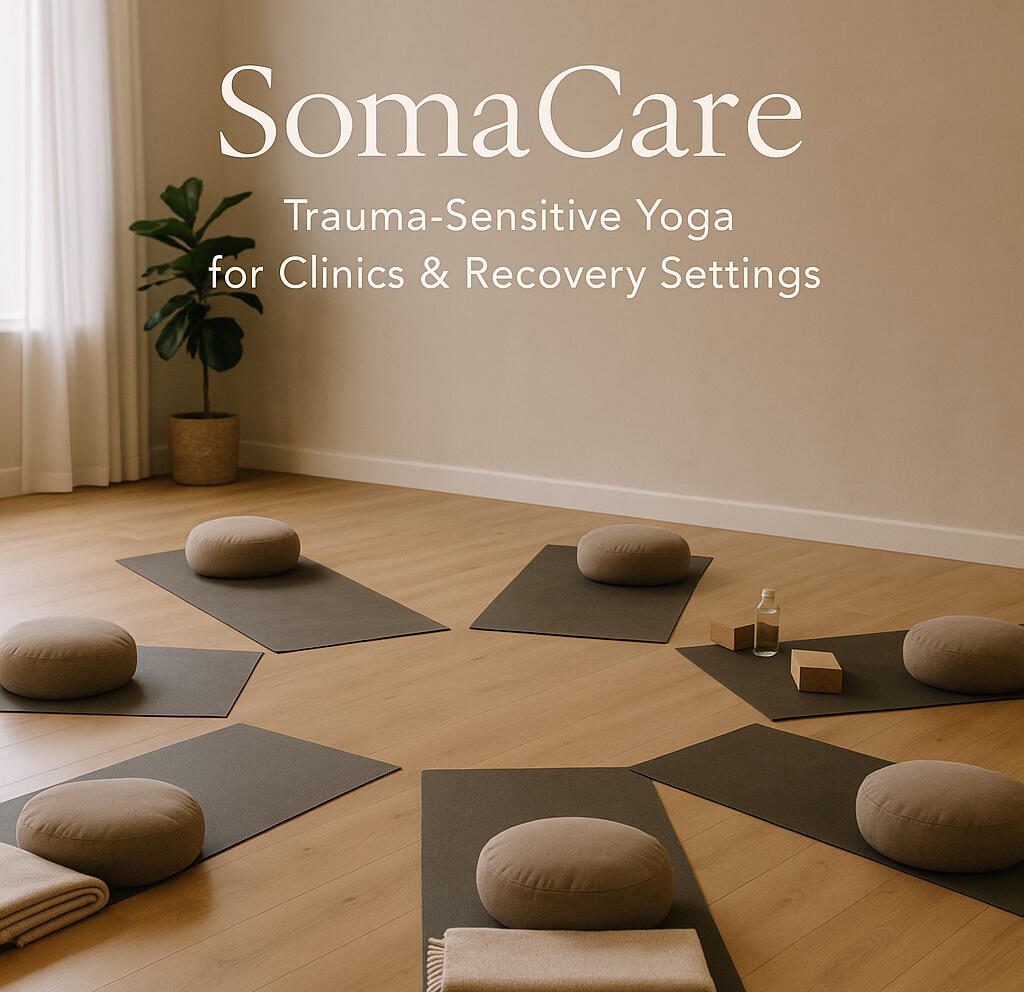
SomaCare | TSY for Clinical Recovery & Therapeutic Environments
SomaCare: Trauma-Sensitive Yoga for Clinics & Recovery Settings. Weekly Group Sessions (1 Hour) – R 900 per classSomaCare is a specialised Trauma-Sensitive Yoga (TSY) service designed for therapeutic institutions including mental health clinics, addiction recovery centres, burnout treatment programmes, and psychiatric or psychosomatic care environments.
Private TSY Class | Online | In-person
Private Trauma-Sensitive Yoga Class | Online (1 Hour) R700 | In-Person R800This is a gentle, invitational trauma-sensitive yoga private one-on-one class held online (or in-person) a steady, supportive space where we move gently and intentionally, guided by your needs, pace, and lived experience.
Ongoing Private TSY Classes | Online | In-person
Ongoing Private Trauma-Sensitive Yoga ClassesOnline 4x/month: R 2500
Online 8x/month: R 4900In-person 4x/month: R2900
In-person 8x/month: R5800These are ongoing weekly private one-on-one trauma-sensitive yoga sessions held online (or in-person) - a steady, supportive space where we move gently and intentionally, guided by your needs, pace, and lived experience.
ParkYoga Classes | Plettenberg Bay
Outdoor yoga for all levels. Under the sky. On the grass. In community.Need a break from screens, desks and four walls? At ParkYoga we step outside into fresh air, beneath trees and sunshine — to reconnect with our bodies, slow down and rediscover joy in movement. Whether you’re new to yoga or long-time practitioner, our classes are trauma-sensitive, inclusive and fun.
Soma Journal
slowly, softly, gently we are seen