Yoga for the People ꩜ every Tuesday 17:00pm South Africa (SAST) ꩜ join us online
Trauma sensitive yoga & movement for survivors
body-based support and interventions for survivors in early recovery & post-recovery growth ~ interested in shared power
I am home, I am in my body.
GUIDING SURVIVORS TO EXPLORE THEIR BODIES ON THEIR OWN TERMS
Trauma sensitive yoga is a non-verbal, whole-body practice, helping trauma survivors build practical tools and resilience as they navigate their recovery journey.
A Blessing on My Healing Journey
"My healing journey through Somatic Yoga with Maxine Alexandra has been a huge blessing in my life. Being new to this type of yoga Maxine has guided me with tremendous support helping me to overcome emotional and physical obstacles. Maxine is a woman of inspiration. Her spectrum of experience and knowledge has given me a whole new and more mindful perspective on life. I am for ever grateful for the amount of acceptance and acknowledgement she has made me feel in all of her private session and group class. I highly recommend "trauma sensitive yoga for survivors of trauma" with Maxine."
- Linda (TSY group participant in private clinic setting)

Person centred
A person-first approach acknowledges the inherent humanity, dignity, and worth of each individual, transcending any singular definition by condition or identity. Prioritising the individual's perspectives, experiences, and aspirations. In trauma sensitive yoga classes, the person is viewed as an active participant in their own care, rather than a passive recipient of services.
Trauma-sensitive
The trauma sensitive yoga approach centres around acknowledging and addressing the impact of trauma on our body-mind. Being trauma-sensitive involves creating environments, interactions, and interventions that prioritise safety, trust, choice, collaboration, and empowerment for individuals who have experienced trauma.
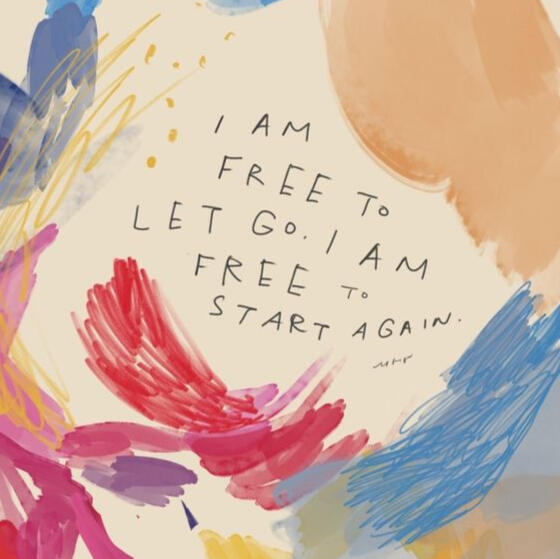

Body literacy
Body literacy is about the intentional practice of bringing awareness to different parts of the body, through the exploration of sensations, and in turn, potentially widening our ‘window of tolerance’ to those sensations. As participants become attuned to their bodily experiences and learn to let them come and go naturally, a sense of safety and groundedness emerges, leading to a deeper connection with oneself.
"No intervention that takes power away from the survivor can possibly foster recovery."
- Judith Herman | Trauma and Recovery
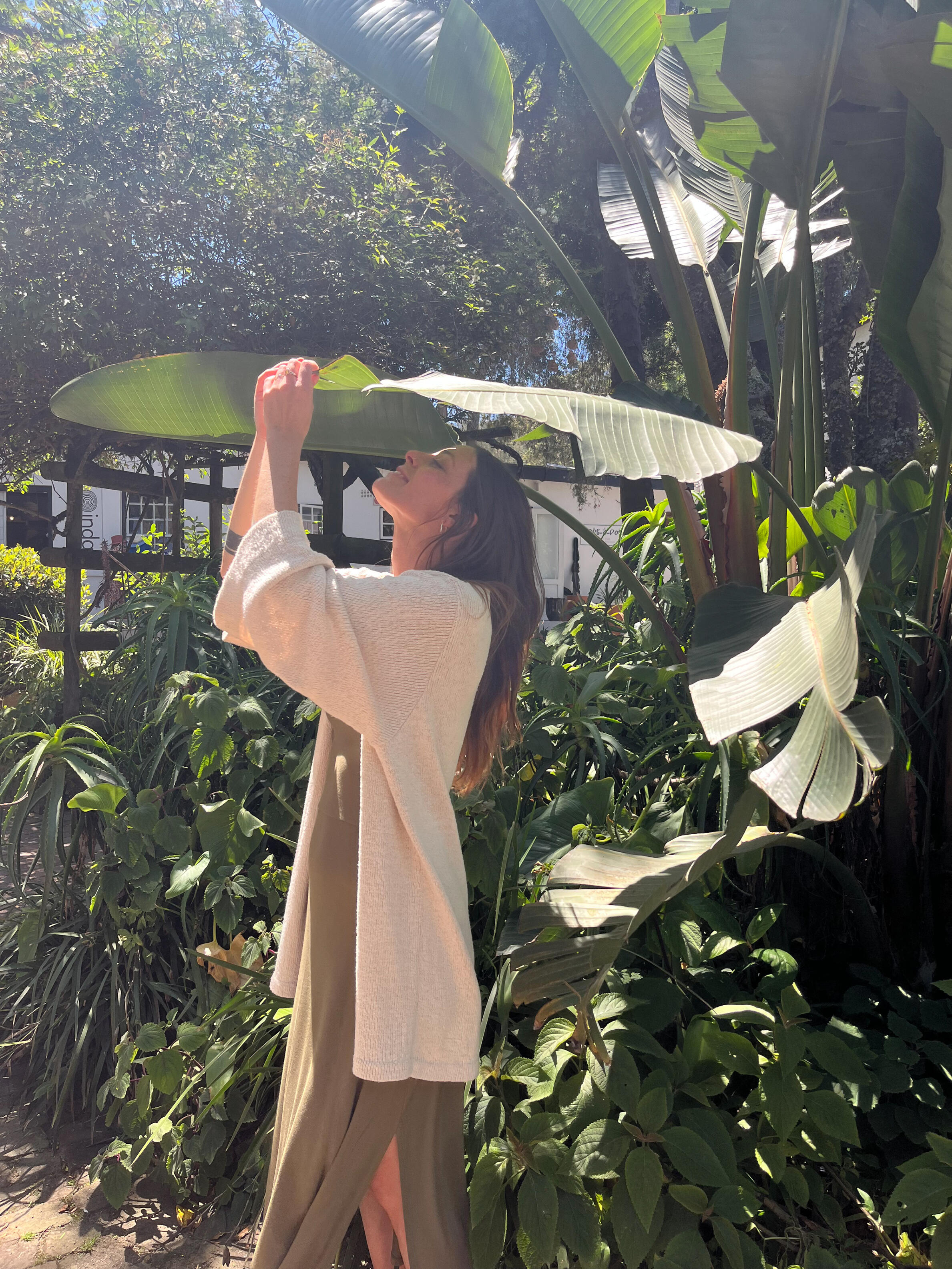
beautifully captured by @wabi.sabicollections.
sun worshiper & slowness advocate 🌞🐌
I'm interested in how we can practise yoga in ways that honour both its roots and the lived realities of the people that arrive on the mat. For me, this means an ongoing dialogue with the body itself—approaching it as a living ecology whose wisdom and experience can inform how we understand and engage with the practice.I’m Maxine, and if you’ve found your way here, you may be seeking a safe, welcoming space to reconnect with your body. As a qualified trauma-sensitive yoga facilitator, I’ve been supporting individuals navigating trauma recovery since 2021. This work is both professional and personal; as someone living with CPTSD and ADHD, I understand how vulnerable it can feel to step into a yoga space while carrying the weight of trauma. This understanding shapes my commitment to creating inclusive, attuned, and deeply human environments.Yoga, as I practice and offer it, is not about achieving idealised shapes, nor is it obsessed with alignment. It is about cultivating a sense of safety in one’s own skin, and rebuilding the capacity to be present in a body that may be more familiar with dissociation, numbness, or overwhelm.Beneath this work is a commitment to remembering the body not as a machine to optimise, but as part of a living ecology — shaped by culture, history, relationship, land, and story. Through an ecofeminist lens, the practice becomes more about listening, and a movement away from rigid, extractive, or performance-based relationships with the body.Whether you are taking your first tentative steps onto the mat, or you are a seasoned sādhaka (practitioner) seeking a gentler, nervous-system-aware practice, you are warmly welcome here.
Interdisciplinary Collaboration • Body-Based Trauma Recovery • Non-Directive & Choice-Based Language • Supporting people with PTSD & CPTSD • Trauma-Aware Substance Use & Recovery Support

The Power of Trauma-Sensitive Yoga.
TSY is one of the first yoga-based approaches to be supported by research as a valuable tool for addressing complex PTSD.It's grounded in years of study and is recognised for its effectiveness, comparable to traditional therapeutic methods like talk therapy.
What is Trauma Sensitive Yoga?
Trauma-Sensitive Yoga (TSY) sits at the meeting point of classical yoga and contemporary therapeutic understanding. It is a carefully adapted form of modern postural yoga, offered in a way that honours yoga’s roots while responding skillfully to the lived realities of trauma.A collaborative journey of shared power and decision-making with participants is prioritised, recognising that choice and agency are central to our embodied experience.Grounded in classical yogic principles, such as āsana (body shapes), prāṇāyāma (breath regulation), and dhyāna (meditation) - TSY is informed by current research in trauma theory, neuroscience, attachment theory. This integrative approach allows the practice to remain both traditionally respectful and clinically informed.TSY is slow, gentle, and relational, created for individuals who experience chronic nervous system dysregulation to reconnect with their bodies in a way that feels safe, supportive, and choice-led. I place careful attention on interoception (felt sense/body's internal awareness), proprioception (orientation of body in space), and the exploration of personal boundaries. Movement progresses gradually from more accessible, gross movements toward subtler experiences, at a pace that supports you.Practices such as prāṇāyāma (breath regulation), dhyāna (meditation), and extended stillness are approached with sensitivity. For some trauma survivors, these practices can initially feel intolerable or destabilising. For this reason, they are introduced in small, optional, and manageable ways, or at times omitted altogether, always prioritising safety, and agency of the participant.TSY is offered as an adjunct therapeutic support alongside traditional psychotherapy or counselling, not as a replacement. TSY is an evidence-based practice that supports individuals living with the effects of complex trauma by nurturing safety, trust, self-agency, and an empowered relationship with the body.
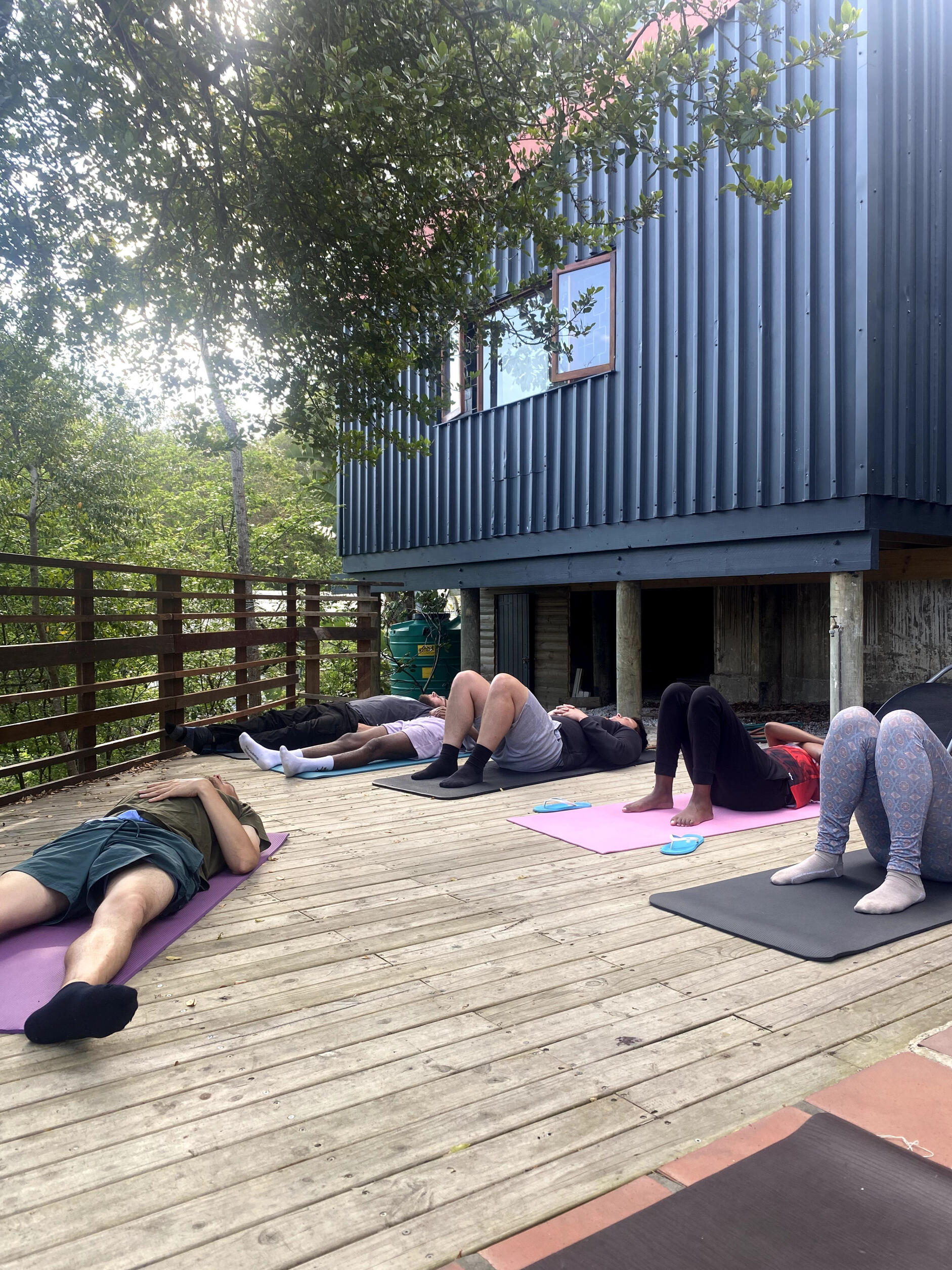
Collective rest in a safe, supported space.
Our TSY group class, outdoors, at a mental health centre in the Garden Route.
shared with participant consent.
Key Elements of TSY?
Interrelational Power Dynamics
Trauma is fundamentally concerned with power, control, and agency. Because yoga teachers inevitably occupy a position of authority, Trauma-Sensitive Yoga (TSY) intentionally seeks to reduce hierarchical dynamics wherever possible. This is done through non-directive language, meaningful choice-making opportunities, and practices that support participants in exercising agency and ownership over their bodies and experiences. This intentional shift in dynamic can be empowering, particularly for those who’ve experienced a loss of control or agency in the past.I am interested in how shared power can be practised. When I invite a participant to explore a movement, I am also extending that same invitation to myself. In this way, the practice becomes something we explore together rather than something being done to or prescribed for another. While our roles may differ, the spirit of the practice is one of mutual participation, curiosity, and respect for each person's lived experience.
Creating Rhythms
Trauma can make time feel jagged and the body’s signals hard to trust. Creating Rhythms uses simple, repeatable patterns (stimming), like - swaying, rocking, shaking, gentle breath, or self-massage - to help you feel safe and supported. In yoga, this is similar to Kriyas, or intentional movement-breath practices. We also notice the rhythms already present in the body, then invite new, nourishing ones. These cycles of “move → notice → rest” gently build regulation, presence, and trust in your body.
Choice-Making | Restoring Agency
Choice is at the heart of trauma-sensitive practice. In TSY, we prioritise creating an environment where participants feel both safe and in control by giving options, encouraging them to tune into what feels right and valuable in each moment. Rather than focusing on performing movements or shapes 'correctly', making choices becomes a practice in itself: noticing internal cues, exploring boundaries, and engaging with the body with curiosity and compassion.
Non-Directive & Choice Based Language
The words we use matter. In TSY, I intentionally move away from language that could be perceived as commanding, corrective, or hierarchical. I favour consistent, invitational phrasing that fosters curiosity and autonomy. As a facilitators, I ask myself: Why am I offering this? Is it truly helpful? What might this feel like in someone else’s body? This kind of inquiry helps ensure that guidance is grounded in purpose, not habit or dogma - leaving space for participants to make choices based on what they feel, not what they’re told.
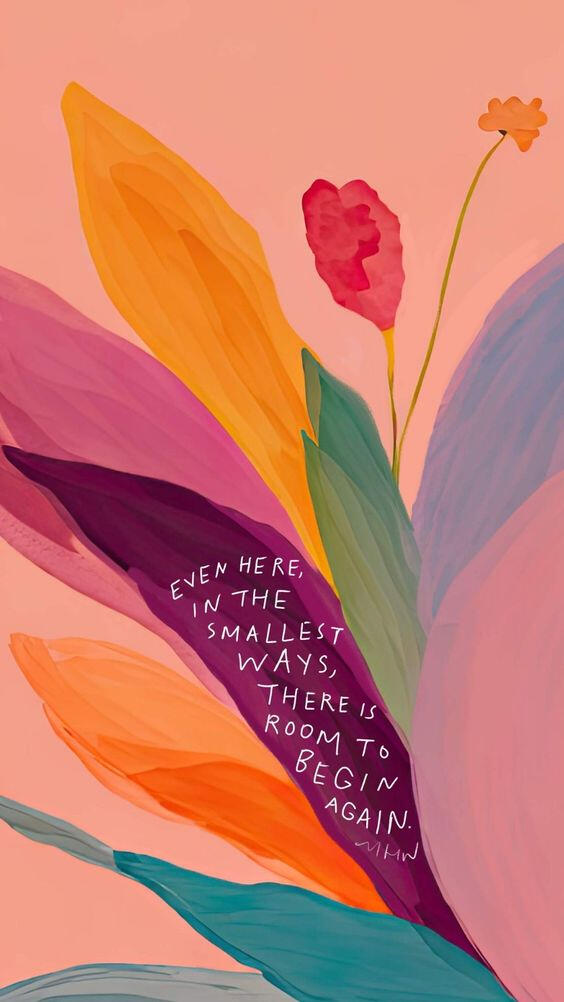
"Trauma is not a pathology; it’s about adaptation and survival - we are capable of surviving unbelievable things, but there is a price."
- David Emerson | A pioneering yoga teacher and author who co-developed Trauma Center Trauma-Sensitive Yoga (TCTSY)
Offering yoga & movement to
Survivors in early recovery
This offering is designed for individuals in the early stages of trauma integration, where stability, safety, and nervous system regulation are the primary focus. Practices are slow, gentle, and highly adaptive, emphasising choice, predictability, and external orientation.Movement is simple and supportive, working primarily with āsana to build tolerance for sensation and presence. Practices such as prāṇāyāma (breath regulation), dhyāna (meditation), and extended stillness are used sparingly or not at all, as the priority is to reduce overwhelm and support a sense of safety in the body and environment.The intention here is not insight or catharsis, but containment, agency, and trust—laying the groundwork for a regulated relationship with the body.
Survivors in post-recovery growth
This offering supports individuals who have established a foundational level of nervous system stability and are ready to engage more deeply with yoga as a tool for integration, inquiry, and personal growth.Practices may gradually include more nuanced āsana, accessible prāṇāyāma, and optional dhyāna (meditation), always introduced with choice and clear resourcing. There is greater space for subtle awareness, internal listening, and cultivating discernment between effort and ease.Here, yoga becomes a supportive framework for integration, meaning-making, and embodied resilience—not as a return to what was, but as a conscious movement toward wholeness, capacity, and continued growth.
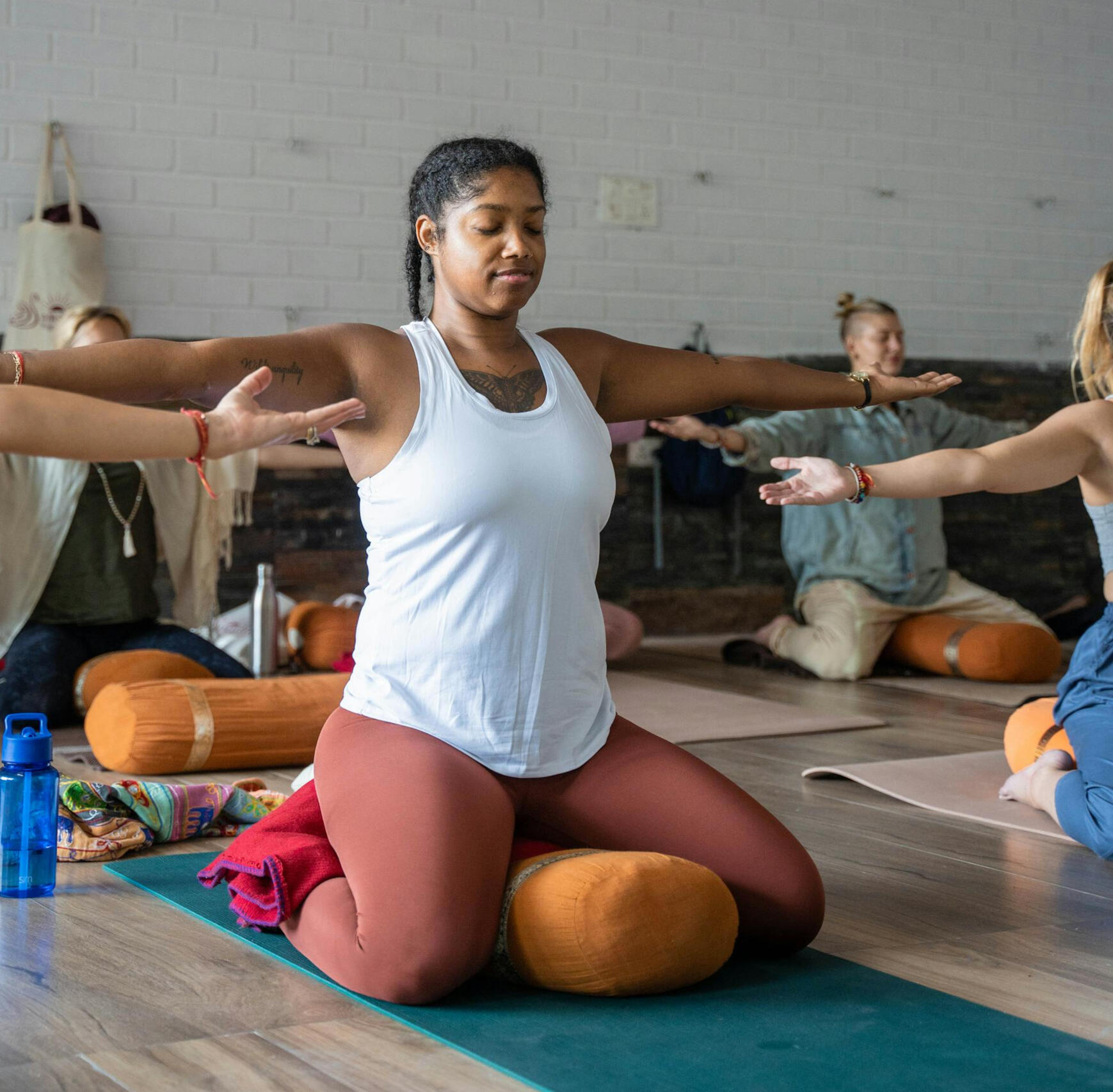
SomaCare | TSY for Clinical Recovery & Therapeutic Environments
SomaCare: Yoga for Clinics & Recovery Settings. Weekly Group Classes (1 Hour) – group class + Programme optionsSomaCare is a specialised Trauma-Sensitive Yoga (TSY) service created for therapeutic spaces including mental health clinics, addiction recovery centres, burnout treatment programmes, and psychiatric or psychosomatic care environments.
Private TSY Class (+ crisis support) | Online | In-person
Private Yoga Class | Online Livestream (1 Hour)This is a gentle, invitational, private trauma-sensitive yoga one-on-one class held live online (or in-person) - a steady, supportive space where we move gently and intentionally, guided by your needs, pace, and lived experience. This practice can be especially supportive when held alongside counselling, psychotherapy, or other forms of mental health support.
Ongoing Private TSY Classes | Online | In-person
Ongoing Private Yoga ClassesThese are ongoing weekly private one-on-one trauma-sensitive yoga classes held live online (or in-person) - a steady, supportive space where we move gently and intentionally, guided by your needs, pace, and lived experience. This practice can be especially supportive when held alongside counselling, psychotherapy, or other forms of mental health support.
ParkYoga Classes | Plettenberg Bay
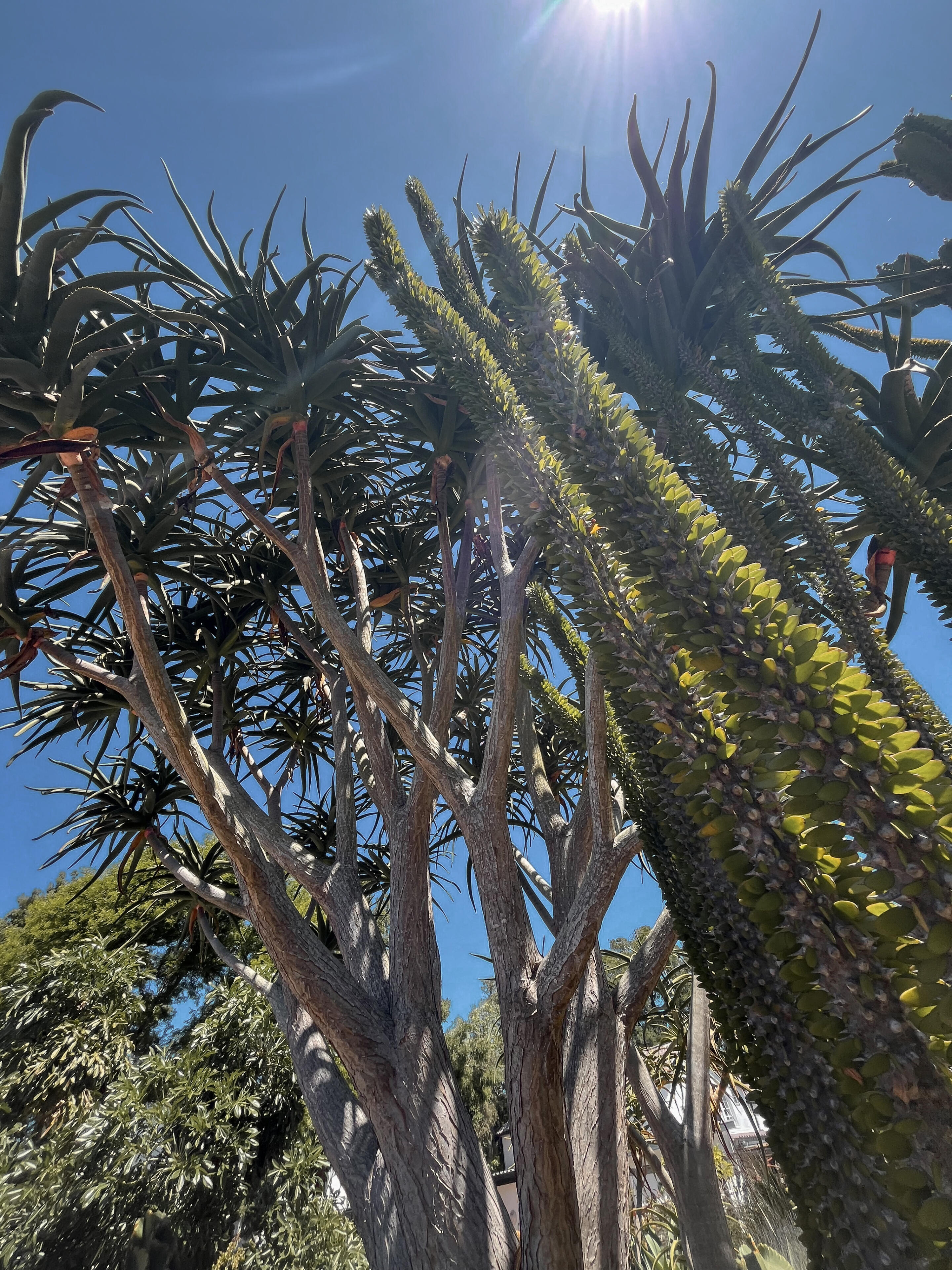
Outdoor yoga for all levels. Under the sky. On the grass. In community.Need a break from screens, desks and four walls? At ParkYoga we step outside into fresh air, beneath trees and sunshine — to reconnect with our bodies, slow down and rediscover joy in movement. Whether you’re new to yoga or long-time practitioner, our classes are trauma-sensitive, inclusive and fun.
Yoga & Movement for the People ꩜
Trauma-Sensitive Yoga + Movement Membership
Live Online Practice
Local Time - Weekly live class:
Every Tuesday at 17:00pm South Africa (SAST)International Times:
Tuesdays UK (BST): 16:00pm
Tuesdays Central Europe (CEST): 17:00pm
Tuesdays US East Coast (EDT): 11:00am
Tuesdays US West Coast (PDT): 08:00amWhere: Google Meet (secure private meeting link)
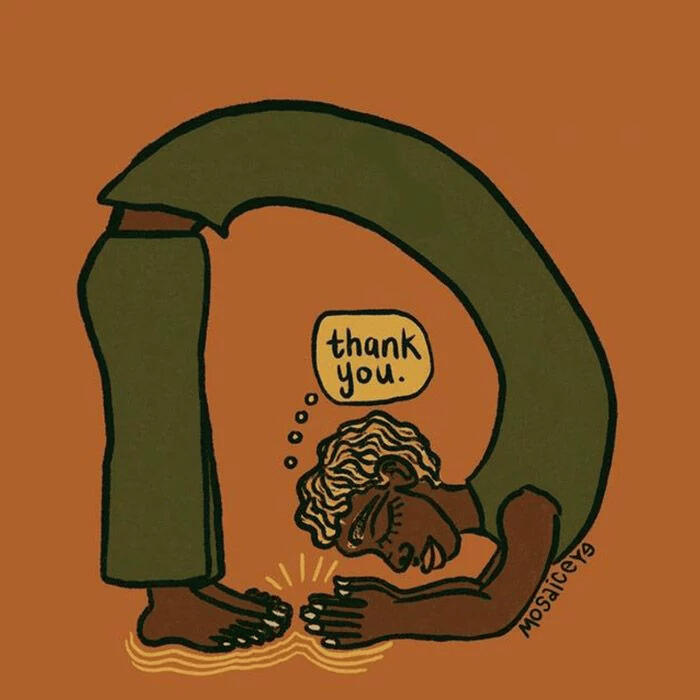
Free Yoga for the People on Youth Day
A Free Trauma-Sensitive Yoga Practice for Youth Day
Date: 16 June 2026
Time: 10:00am (SAST)
Location: Google Meet
Cost: Free
On Youth Day, I would like to offer a free Trauma-Sensitive Yoga practice to whoever needs it.A gentle hour to slow down, reconnect with yourself, and experience the benefits of moving, breathing, and resting in a supportive environment.
Stories
slowly, softly, gently we are seen
Privacy Policy
Effective Date: 04/05/2026At Soma With Max, your privacy is treated with care, respect, and responsibility.This policy explains what information is collected, how it is used, and how it is protected when you engage with this website, submit a booking enquiry, or participate in sessions.1. Information CollectedWhen you fill out a booking enquiry form or intake form, the following information may be collected:Name and surnameEmail addressPhone numberRelevant personal information shared in relation to your wellbeing, health, or intentions for practiceYou may also choose to share additional information voluntarily.2. Purpose of Collecting InformationYour information is collected in order to:Respond to booking enquiriesSchedule and facilitate sessionsTailor sessions in a trauma-sensitive and supportive wayMaintain communication regarding your sessionsOnly information that is necessary for these purposes is collected.3. Storage and Protection of InformationInformation is stored using secure third-party platforms such as Google Forms and Google Drive.Reasonable steps are taken to protect your personal information from loss, misuse, or unauthorised access.Access to your information is limited to Soma With Max only.4. ConfidentialityYour privacy is respected at all times.Personal information shared will not be disclosed to third parties without your consent, except where required by law or where there is a concern of serious harm to yourself or others.5. Third-Party ServicesThis website and booking process may use trusted third-party services, including:Google Forms (for booking and intake forms)Email providers (for communication)These services have their own privacy policies governing how data is handled.6. Your RightsIn accordance with the Protection of Personal Information Act (POPIA), you have the right to:Request access to your personal informationRequest correction or deletion of your informationWithdraw consent at any timeTo do so, you can make contact using the details below.7. ContactIf you have any questions about this policy or how your information is handled, you are welcome to get in touch:Email: [email protected]This policy may be updated from time to time to reflect changes in practice or legal requirements.